

So, if you have solar panels, do you pay for electricity? The short answer is yes, but it’s not what you might think. Your electric bill will change, often lowering significantly with the right solar setup.
However, to truly know how solar panels cover the cost of your electricity, it’s essential to understand the dynamics between your solar panel system and the utility grid.
We’ll explore how solar offsets work, the role of utility companies, and why you’ll still receive a bill. Embrace energy independence by comprehending your electricity charges and discovering genuine solar savings with BFO Solar.
Is solar power worth it in South Africa?
Solar power in South Africa has become the best thing since sliced bread because of our abundance in sunlight. It can reduce your electricity bills and provide a return on investment over time. This is particularly true when you consider rising energy costs and annual Eskom tariff increases.
Investing in solar power quite a few reductions in electricity bill costs. It provides a stable energy source during load-shedding events. An 8kW inverter, a 10kWh battery, and 12 solar panels can average 991kWh per month. This could save around R83.00 per day or R2,490 per month. Within just over five years, you could save about R150,000.
In recent years, solar technology has seen remarkable advancements that significantly enhance the efficiency and accessibility of solar energy systems. For example, the introduction of bifacial solar panels, which can capture sunlight from both sides, has led to increased energy production without requiring additional space.
Additionally, the efficiency of traditional solar panels has steadily risen, with some models now achieving efficiencies of over 22%. Innovations in battery storage, such as lithium-ion and flow batteries, have also transformed how households can store and utilize solar energy.
These advancements allow for greater energy storage capacity, enabling users to harness surplus energy generated during sunny days for use at night or during cloudy weather, ensuring a more reliable power supply.
Paying Eskom if you have solar power?
Even with solar power, you may still need to pay Eskom a connection fee to stay on the grid. This fee covers grid maintenance and access during low solar generation or high demand.
Back in 2022 the claim that Eskom will impose a R938 levy on solar users was debunked. Instead, Eskom proposed a new tariff structure for all grid-connected users, with fixed and variable costs. Solar users pay fixed grid connection fees but lower variable charges due to reduced energy use.
Despite these changes, solar power remains a great investment. It offers long-term savings and reduces reliance on Eskom during load shedding. You should ensure that your systems are registered with municipalities to avoid fines.
Cities like Cape Town together with Eskom are enforcing compliance to protect the grid. Register your system and use reputable installers to avoid penalties.
Getting off the Grid
Breaking free from Eskom requires a significant investment in the beginning. Although solar energy costs were dropping, recent global issues have made solar panels and components more expensive. Despite higher costs, rising energy prices in South Africa make going off-grid worth it, with costs recoverable over time.
On average, a solar system can be paid off within five years.
The cost for a complete off-grid solar system ranges from R150,000 to R350,000. For a typical family home using about 25 kWh per day, the price is around R200,000 to R250,000. Smaller households might pay about R150,000, while premium systems can exceed R650,000 and go over R1 million.
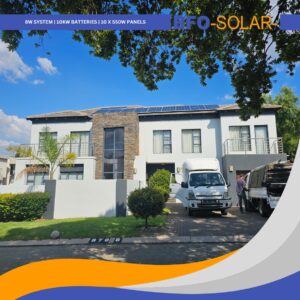
Designing an off-grid system depends on quite a few factors. They include energy efficiency, system size, roof details, and budget. Making your home or business more energy efficient can lower the size and cost of the system you need. Many off-grid scenarios use multiple energy sources, like gas for cooking and solar for heating water to further reduce costs.
The concept of energy independence has gained traction as more households look to solar power as a means of self-sufficiency. By installing solar panels, homeowners can generate their own electricity, reducing their reliance on traditional energy providers like Eskom.
This independence is especially beneficial during periods of load shedding, which can disrupt daily life and economic activities.
With a robust solar power system paired with efficient battery storage, households can maintain a consistent energy supply even when the grid is down. This not only enhances comfort and convenience, but also empowers families to become active participants in local energy solutions, fostering a sense of resilience and community connection as they contribute to a sustainable energy future.
Maximizing Benefits if You Have Solar: Usage and Cost Considerations
Optimizing your investment in solar technology involves understanding key dynamics affecting usage and costs.
When you have solar panels, carefully considering usage patterns, roof suitability, and other factors is crucial for maximizing solar savings.
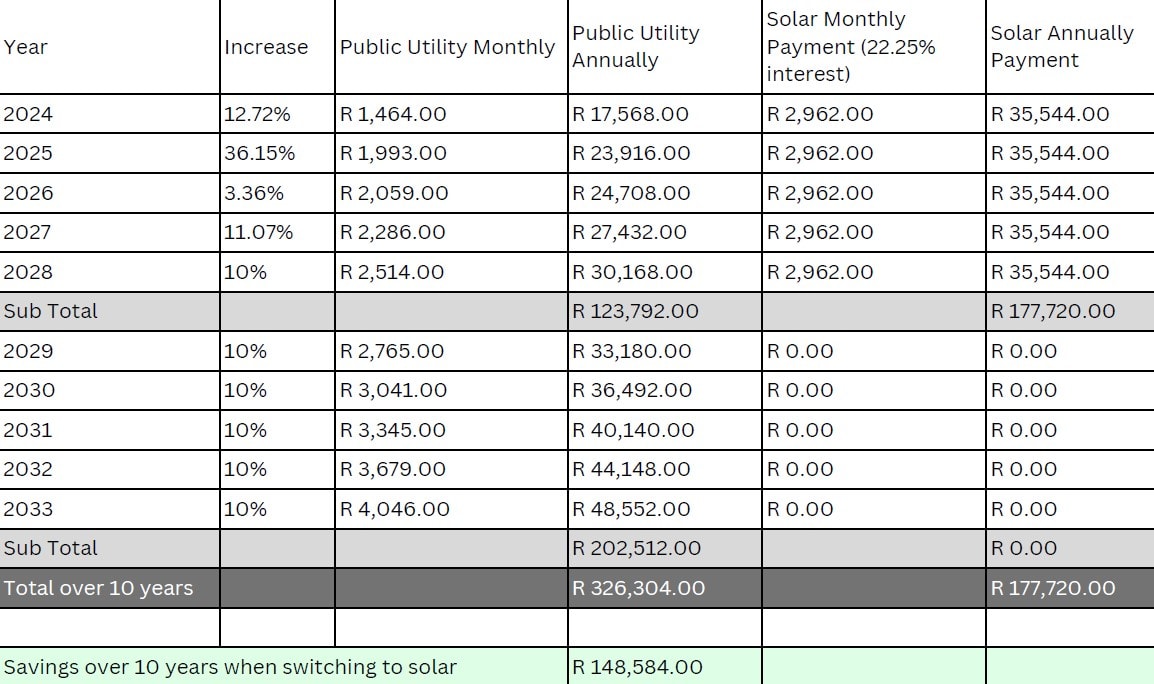
From understanding how these factors impact electricity bills to the importance of adapting to your property’s unique conditions, this section provides insight into enhancing your solar experience.
We’ll address how specific elements, including roof aspects and consumption behaviors, tie into your broader utility strategy and financial outcome
Considerations for solar power
The first costs of installing solar panels can be quite high. But, keep your eyes open and do some calculations as the financial benefits outweigh the cons. Shop around and compare quotes from different installation companies. It may take a while to see the full return on your investment with solar energy. But then again, the savings on your energy bills and potential property value increases can make it worthwhile.
The productivity of solar panels varies with several elements. This includes the set-up size, quality, and the property’s location. Talking to experts and careful planning can boost performance and energy production.
Do Solar Panels Require Maintenance, and if so, How Often?
Yes, solar panels do not need a lot of maintenance. It only needs occasional cleaning to remove dirt and debris. Also, you need to have a professional inspection every few years to ensure better performance.
Can I Go Completely Off-grid with Solar Panels in South Africa?
Yes, it is possible to go off-grid with solar panels in South Africa. You just need to install enough panels and battery storage to meet your energy needs. Going off-grid requires careful planning and a significant initial investment.

Will installing solar panels increase my property value?
Yes, studies have shown that solar panels can increase property value. Homes with solar panels are often perceived as more attractive to buyers. This is because of lower energy costs and environmental benefits, which leads to a potential increase in resale value.
Three Reasons Solar is a Smart Investment: From Cost Savings to Environmental Leadership
If you have solar panels, you’re part of a growing movement that’s embracing sustainable energy while enjoying significant financial advantages.
One of the foremost reasons to consider this transition relates to the substantial cost savings you can experience over time. Solar panels paying for themselves is a reality as energy bills see a marked decrease.
By harnessing solar systems, which include battery storage for optimal efficiency, you can leverage solar savings that go beyond just monthly reductions on your electric bill. The solar offset, or the amount of electricity your solar panels generate versus what you consume from the power utility, plays a crucial role here.
If excess energy is generated, it can often be sold back to the grid through net metering, further slashing the amount you pay to the utility company. This system not only eases the financial burden of electricity bills but also stabilizes energy costs in light of fluctuating utility rates.

Additionally, investing in solar panels aligns with a growing consumer trend prioritizing environmental responsibility and leadership. Properties equipped with solar solutions carry a premium that reflects their lower carbon footprint, making them attractive for resale.
As you’re generating renewable energy, your home or business stands as a testament to your commitment to green practices, appealing to potential buyers who value sustainability. In South Africa, where solar is increasingly seen as a viable supplement to unreliable grid power, this aspect is even more critical. Lowering dependency on the national grid not only cements your role in supporting local sustainability goals but also guards against the unpredictability of energy availability.
Moreover, having solar panels can significantly increase the resale value of both residential and commercial properties. For premium homeowners, integrating solar systems into high-value properties not only demonstrates forward-thinking but also aligns with broader property enhancement strategies.
From an investment perspective, solar installations might represent a significant upfront outlay but translate into formidable returns. As buyers become more sensitive to energy-efficient living, a home or business that showcases reduced overhead costs due to solar panel utilization often commands a higher market price.
The added benefits of systems like battery storage further ensure continuity during power outages, addressing key pain points for many, such as uninterrupted business operations during load shedding.
This type of investment is not exclusive to residential gains; SME business owners are also looking to lock in predictable energy costs with solar solutions. In facing the hikes in electricity rates (notably above inflation), solar panels can stabilize operational costs, providing a competitive edge. Lower utility charges mean that businesses can focus resources elsewhere, perhaps in ways that directly enhance their market position.
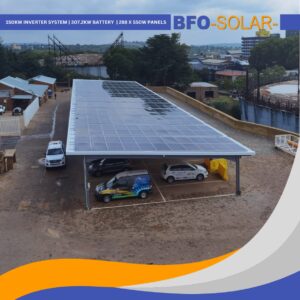
For retailers and manufacturers subject to frequent outages, the integration of solar PV systems ensures operational continuity, mitigating revenue loss and safeguarding customer satisfaction.
In conclusion, beyond reducing electricity bills, the installation of solar panels can significantly increase your property value by lowering operating costs and communicating a commitment to sustainable and environmentally friendly practices.
By choosing a reputable solar company like BFO Solar, known for delivering comprehensive, tailor-made solutions across South Africa, you ensure that your investment is well-planned and strategically executed.
Emphasizing everything from system efficiency to optimal placement and integration with existing infrastructure, embracing solar panels establishes a sound investment in both financial and environmental terms. Contact us today to explore how we can enhance your home or business property with cutting-edge solar technology and secure a sustainable future.
Conclusion
While solar power offers significant savings and reduced reliance on traditional energy sources, it does not completely eliminate associated costs.
You may still need to pay fees from Eskom for grid access. Despite this, the long-term benefits and potential for energy independence continue to make solar power a compelling investment in South Africa.

