

Getting Started With Solar System Sizing
When you’re thinking about installing a solar system, the first step is to understand your specific needs. Sizing a solar system correctly is crucial to ensure it meets your energy requirements without overspending. Here are some key areas to consider:
Understanding Your Energy Needs
- Review your electricity bills to find out your average monthly usage.
- Identify peak usage times to understand when you need the most energy.
- Consider any future changes, like adding new appliances or expanding your home.
Identifying Budget Constraints
- Set a clear budget for your solar project.
- Research financing options, such as loans or incentives, that can help reduce costs.
- Remember to factor in installation and maintenance costs.
Considering Space Limitations
- Assess the available space on your roof or property for solar panels.
- Check for any shading from trees or buildings that might affect performance.
- Think about the orientation and tilt of your roof, as these can impact energy generation.
By taking these factors into account, you can create a solid foundation for sizing your solar system effectively.
Understanding these elements will help you make informed decisions as you move forward with your solar installation. Remember, the right system can provide significant savings and energy independence!
Estimating Your Energy Usage
When it comes to sizing your solar system, understanding your energy usage is crucial. Here’s how to get started:
Calculating Daily Kilowatt-Hour Usage
- Gather your electric bills for the past year to see your total kilowatt-hours (kWh) used. This will help you spot patterns in your energy consumption.
- Calculate your average monthly kWh usage by adding up your total kWh for the year and dividing by 12.
- To find your daily kWh usage, simply divide your monthly average by 30. This gives you a clearer picture of your daily energy needs.
| Month | kWh Used |
|---|---|
| January | 300 |
| February | 280 |
| March | 320 |
| April | 350 |
| May | 400 |
| June | 450 |
| July | 500 |
| August | 480 |
| September | 420 |
| October | 350 |
| November | 310 |
| December | 290 |
| Total | 4,000 |
| Average | 333 |
Assessing Seasonal Variations
- Energy usage can change with the seasons. For example:
- Summer: Higher usage due to air conditioning.
- Winter: Increased heating costs.
- Spring and Autumn: Generally lower usage.
- Keep these variations in mind when calculating your average.
Factoring in Future Energy Needs
- Consider any upcoming changes that might affect your energy consumption, such as:
- New appliances or devices.
- Changes in family size or lifestyle.
- Plans for electric vehicles.
Understanding your energy needs is the first step in sizing your solar system correctly. This ensures you invest in a system that meets your requirements without overspending.
By following these steps, you can accurately estimate your energy usage and make informed decisions about your solar system size. Remember, knowing your energy needs is key to a successful solar installation!
Determining Peak Sun Hours
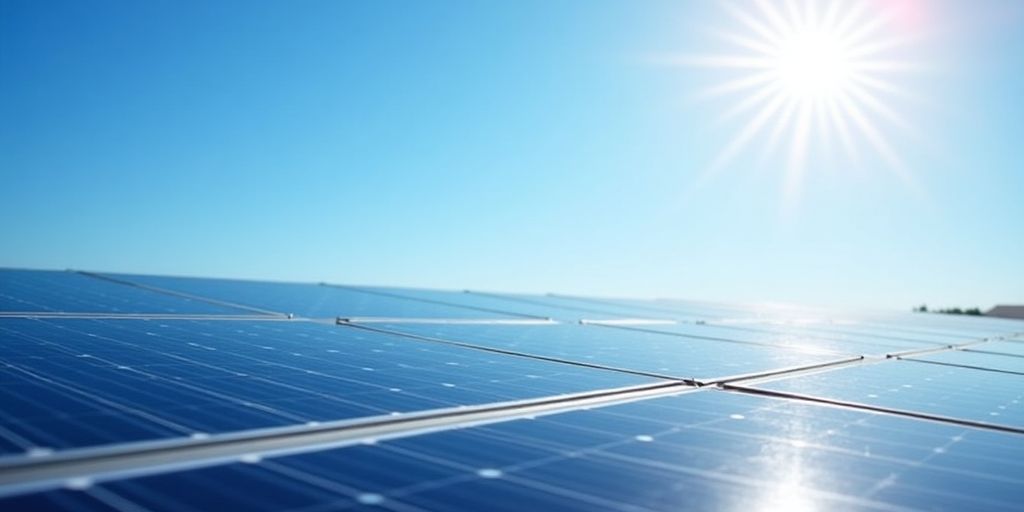
Understanding Sunlight Availability
To size your solar system effectively, it’s crucial to understand how much sunlight your location receives. Peak sun hours refer to the hours when sunlight is strong enough to generate maximum solar energy. This is typically measured at an irradiance of 1 kilowatt per square metre (kW/m²).
Using Local Solar Maps
You can find local solar maps that provide information on average peak sun hours for your area. Here’s a quick overview of average daily peak sun hours in various provinces:
| Province | Average Daily Peak Sun Hours (kWh/m²) |
|---|---|
| Eastern Cape | 4.3 – 5.6 |
| Free State | 5.3 – 5.7 |
| Gauteng | 5.3 – 5.5 |
| Kwazulu-Natal | 4.3 – 5.3 |
| Limpopo | 4.7 – 5.3 |
| Mpumalanga | 4.7 – 5.5 |
| Northern Cape | 5.7 – 6.3 |
| North West | 5.5 – 6.1 |
| Western Cape | 4.7 – 6.0 |
Calculating Average Sun Hours
To calculate your average sun hours, consider the following steps:
- Check local solar maps for your area’s peak sun hours.
- Record the average for your specific location.
- Adjust for seasonal changes, as sunlight availability can vary throughout the year.
Understanding your peak sun hours is essential for maximising your solar energy production. It helps you determine the right size for your solar system, ensuring you get the most out of your investment in solar energy.
By knowing your peak sun hours, you can make informed decisions about your solar system size and efficiency, ultimately leading to better energy savings and sustainability.
Calculating Your Solar System Size
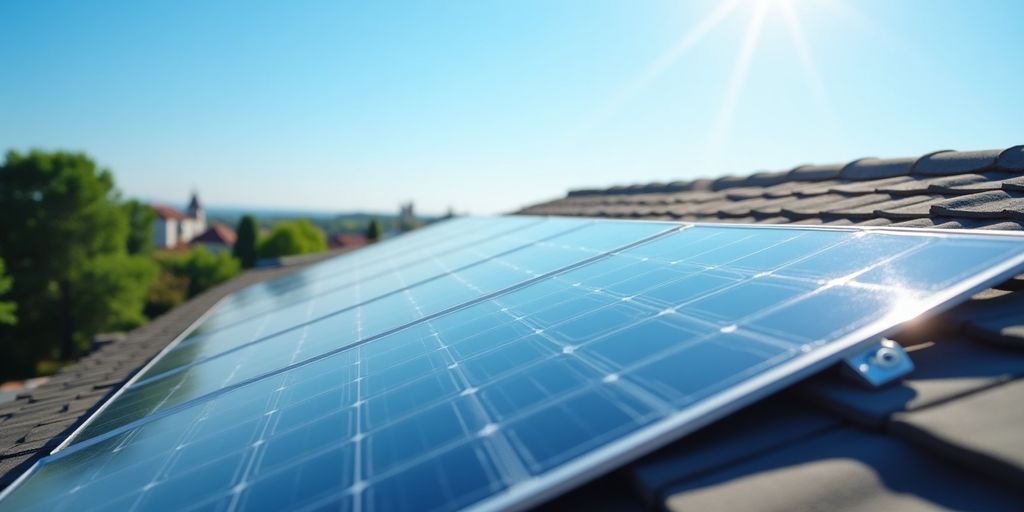
When it comes to sizing your solar system, there are a few important steps to follow. Getting this right is crucial for ensuring you meet your energy needs without overspending.
Applying the Solar Sizing Formula
To determine the size of your solar system, you can use a simple formula:
- Calculate your daily energy usage in kilowatt-hours (kWh).
- Divide this number by the average peak sun hours your location receives.
- Adjust for system inefficiencies by multiplying by a factor of 1.25.
This will give you the total kilowatts (kW) needed for your solar system.
Accounting for System Inefficiencies
It’s important to remember that solar panels do not operate at 100% efficiency. Factors such as orientation, shading, and temperature can affect performance. Therefore, adding a buffer of about 25% to your calculations is wise. This ensures that you have enough capacity to meet your needs even when conditions aren’t ideal.
Choosing the Right Solar Panels
When selecting solar panels, consider the following:
- Quality: Invest in panels that are known for their longevity and efficiency.
- Type: Different types of panels (monocrystalline, polycrystalline, thin-film) have varying efficiencies and costs.
- Warranty: Look for panels with a good warranty period, as this can indicate reliability.
Remember, investing in quality panels ensures better performance and peace of mind for a sustainable future.
By following these steps, you can effectively size your solar system to meet your energy needs while staying within your budget and space constraints.
Conclusion
In summary, sizing a solar system correctly is essential for making the most of your investment. By understanding your energy needs and considering factors like sunlight availability and system efficiency, you can design a solar setup that meets your requirements without overspending. Remember to take into account your budget, available space, and any future energy needs you might have. With careful planning and the right information, you can enjoy the benefits of solar energy and contribute to a greener planet.
