
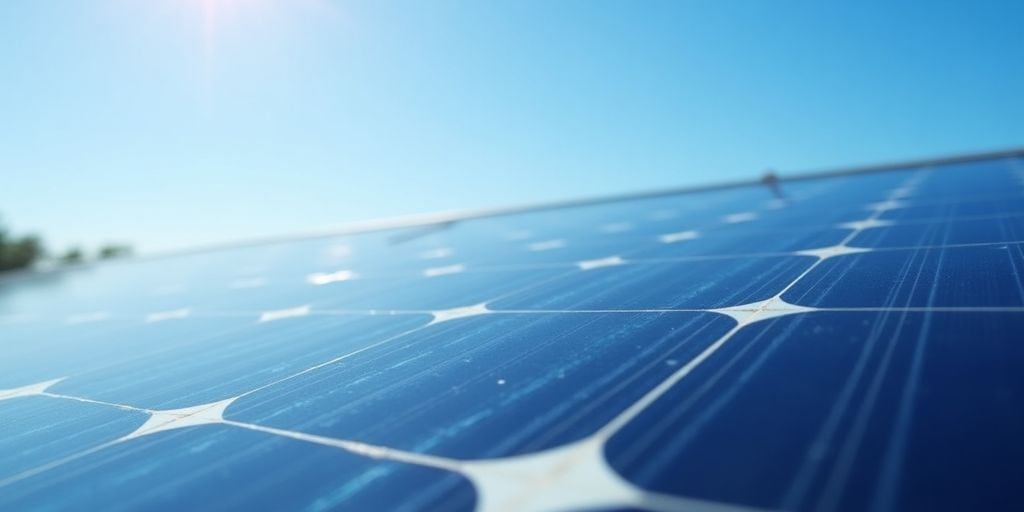
Understanding Anti-Reflective Coating
What Is Anti-Reflective Panel Coating?
Anti-reflective coating, often called AR coating, is a special layer applied to solar panels to reduce the amount of light that bounces off their surface. This coating helps to increase the amount of light that enters the solar cells, which is crucial for generating more electricity. Without this coating, solar panels can reflect over 30% of incoming light, which means less energy is captured.
How Does It Work?
The AR coating works by using a thin layer of material that is designed to interfere with the light waves. When light hits the coated surface, some of it reflects off, but the coating is made to ensure that the reflected light waves cancel each other out. This process allows more light to pass through and be absorbed by the solar cells. Here’s a simple breakdown of how it functions:
- Light hits the panel.
- Some light reflects off the surface.
- The AR coating reduces this reflexion.
- More light is absorbed, increasing energy production.
Benefits of Anti-Reflective Coating
The benefits of using anti-reflective coating on solar panels include:
- Increased efficiency: More light absorption leads to higher energy output.
- Reduced glare: This makes solar panels less distracting, especially near airports where glare can be a concern.
- Aesthetic integration: Panels with AR coating can blend better with their surroundings, making them visually appealing.
The use of anti-reflective coatings is essential for improving the performance of solar panels, ensuring they operate at their best.
In summary, anti-reflective coatings play a vital role in enhancing the efficiency and functionality of solar panels, making them a key component in modern solar technology. Choosing the right coating can significantly impact the overall performance of solar energy systems.
The Importance of Anti-Reflective Coating

Enhancing Solar Panel Efficiency
Anti-reflective coating plays a crucial role in improving the efficiency of solar panels. By reducing the amount of light that reflects off the surface, these coatings allow more sunlight to be absorbed. This means that solar panels can generate more energy from the same amount of sunlight. Without this coating, over 30% of light can be lost due to reflexion.
Reducing Glare and Reflexion
Another significant benefit of anti-reflective coatings is the reduction of glare. This is particularly important in areas where solar panels are installed near roads or airports. The glare can be distracting or even dangerous. With anti-reflective coatings, the panels blend better with their surroundings, making them safer and more visually appealing.
Environmental Considerations
Using anti-reflective coatings also has positive environmental impacts. By increasing the efficiency of solar panels, we can produce more clean energy, which helps reduce our reliance on fossil fuels. This contributes to a sustainable future and helps combat climate change.
In summary, anti-reflective coatings are essential for maximising the performance of solar panels, reducing glare, and supporting environmental sustainability.
| Benefit | Description |
|---|---|
| Enhanced Efficiency | Increases energy production by reducing light reflexion. |
| Reduced Glare | Minimises distractions for drivers and pilots, improving safety. |
| Environmental Impact | Supports clean energy production, aiding in the fight against climate change. |
Types of Anti-Reflective Coatings
Common Materials Used
Anti-reflective coatings (AR coatings) are made from various materials that help reduce reflexion and enhance light absorption. Some of the most common materials include:
- Silicon Nitride (Si3N4): Known for its durability and effectiveness in reducing reflexion.
- Titanium Dioxide (TiO2): Often used for its high refractive index, which helps in minimising glare.
- Silicon Dioxide (SiO2): A popular choice due to its excellent optical properties.
Innovative Coating Technologies
Recent advancements in coating technologies have led to the development of more efficient AR coatings. Some innovative techniques include:
- Multi-layer Coatings: These involve stacking multiple layers of different materials to achieve optimal light transmission.
- Nanostructured Coatings: Utilising nanotechnology to create coatings that can manipulate light at a microscopic level.
- Self-cleaning Coatings: These coatings not only reduce reflexion but also help keep the panels clean, enhancing their efficiency.
Comparative Analysis of Coatings
When comparing different types of anti-reflective coatings, it’s essential to consider their effectiveness and durability. Here’s a simple comparison:
| Coating Material | Reflexion Loss (%) | Durability | Cost |
|---|---|---|---|
| Silicon Nitride | 1-2 | High | Moderate |
| Titanium Dioxide | 2-3 | Moderate | High |
| Silicon Dioxide | 3-4 | Low | Low |
In summary, the choice of anti-reflective coating can significantly impact the performance of solar panels. Selecting the right material and technology is crucial for maximising energy efficiency and longevity.
By understanding the various types of coatings available, you can make informed decisions that contribute to a more sustainable future. Remember, the right coating not only enhances performance but also helps in reducing glare, making solar panels more visually appealing in their environment.
Future of Anti-Reflective Coating in Solar Technology

Recent Developments and Research
The field of anti-reflective coatings is constantly evolving. Recent studies have introduced new materials like silicon dioxide and zirconium dioxide, which significantly reduce reflexion losses in solar cells. These advancements are crucial for improving the efficiency of solar panels, making them more effective in converting sunlight into energy.
Potential Market Trends
As technology progresses, we can expect to see:
- Increased adoption of advanced coatings in solar panel manufacturing.
- Greater emphasis on sustainability and environmental impact.
- A rise in consumer awareness about the benefits of anti-reflective coatings.
Conclusion and Final Thoughts
The future of anti-reflective coatings in solar technology looks promising. With ongoing research and development, these coatings will play a vital role in enhancing the performance of solar panels, ultimately contributing to a greener and more sustainable energy landscape.
The integration of innovative anti-reflective coatings is essential for maximising the efficiency of solar panels, ensuring they meet the growing energy demands of our world.
In Summary
In conclusion, anti-reflective coating on solar panels plays a vital role in enhancing their performance. By reducing the amount of light that bounces off the surface, these coatings allow more sunlight to be absorbed, which leads to greater energy production. Additionally, they help to minimise glare, making solar panels less distracting in their surroundings. This feature is particularly important for installations near airports, where glare could pose a risk to pilots. Overall, anti-reflective coatings not only improve efficiency but also contribute to the aesthetic integration of solar panels into various environments.
